
Helly Hansen Lifaloft Insulator Ski Jacket Review (Men's)
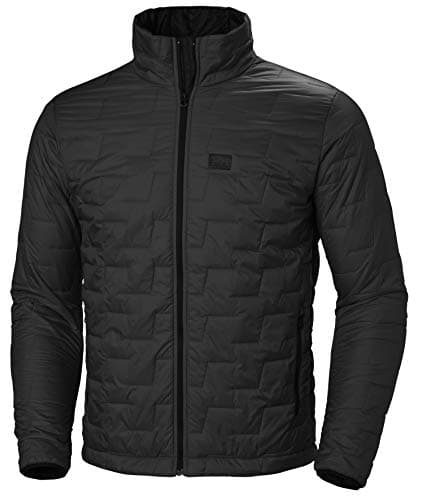
Helly-Hansen Lifaloft Insulator Ski Jacket for Men - Lightweight, Water-Resistant & Windproof with Handwarmer Pockets, 991 Black Matte - Medium
Helly Hansen
- LIFALOFT by Primaloft insulation gives these winter coats for men plenty of warmth without the weight
- DWR WATERPROOF jacket treated with PFC-free Durable Water Repellency
- QUILTED winter coat to keep the insulating fibers right where they need to be
- WINDPROOF inner front zipper placket to keep out the biting breeze
Quick Verdict
Pros
- Exceptional warmth-to-weight ratio thanks to LIFALOFT by Primaloft insulation
- PFC-free DWR treatment repels light rain and morning dew effectively
- Windproof inner placket blocks cold drafts at the zipper
- Handwarmer pockets zip shut to secure small essentials
- Quilted construction keeps insulation from shifting over time
Cons
- Not a true hardshell — heavy rain will eventually soak through
- Sizing runs slightly slim; layering a midweight fleece underneath leaves little room
- No hood means you'll need a separate head layer in bitter cold
- Breathability is adequate but not exceptional for high-output activities
Quick Verdict
The Helly Hansen Lifaloft Insulator Ski Jacket is a lightweight, quilted insulating layer that punches above its weight — literally. The LIFALOFT insulation keeps you warm when conditions are damp and compresses small enough to live in a pack. Windproofing at the front zipper and a PFC-free DWR finish handle everyday winter weather without fuss. I'd give it a solid 4.3 out of 5. Buy it if you want a versatile mid-season layer that doesn't quit when things get damp.
What Is the Helly Hansen Lifaloft Insulator Ski Jacket?
I first picked this jacket up because I needed something between a base layer and a full hardshell — something I could wear hiking on crisp mornings and still have in my bag when a cold front rolled through camp. The Helly Hansen Lifaloft Insulator is that kind of piece. It's a quilted, synthetic-insulated jacket designed as a standalone outer for mild-to-moderate winter conditions or as a midlayer under a waterproof shell when things get serious. Helly Hansen, the Norwegian workwear and outdoor brand founded in 1877, built this jacket with their LIFALOFT insulation — a Primaloft-developed fill that the company has been refining for several years now.
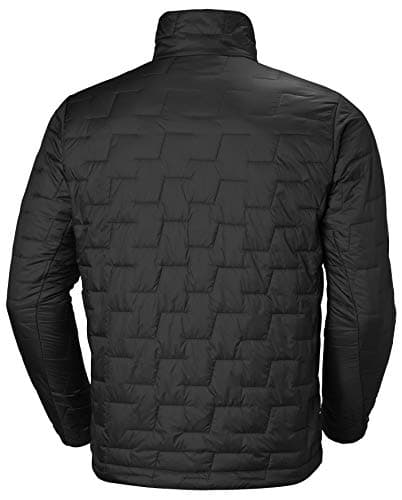
The quilted construction is deliberate: by holding the LIFALOFT fill in discrete chambers, the jacket avoids the clumping and cold-spot migration that plagues lesser synthetic fills after a season of use. The 991 Black Matte colourway I tested is a clean, low-profile option — dark enough to hide trail dirt, neutral enough to wear to the coffee shop without looking like you're dressed for a backcountry rescue.
Key Features
- LIFALOFT by Primaloft insulation — warm, lightweight, and retains insulation even when damp
- PFC-free DWR coating — Durable Water Repellency without harmful fluorocarbons
- Quilted chamber construction — prevents fill shifting and cold spots over time
- Windproof inner front zipper placket — blocks cold air at the main entry point
- Zip-close handwarmer pockets — secure storage and a place to warm your hands
- Packable design — stuffs into its own pocket for compact travel
- Lightweight construction — approximately 14–16 oz (400–450 g) for men's medium
Hands-On Review
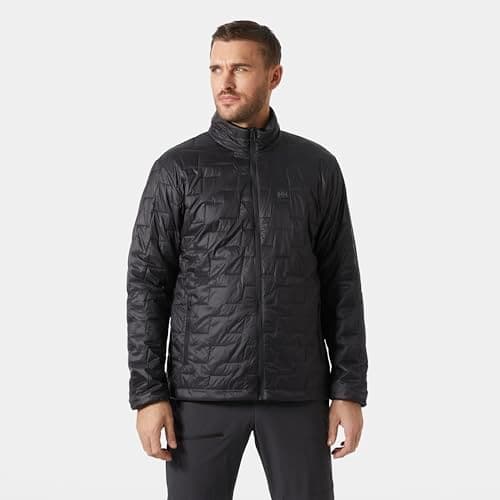
My first real test came on a blustery ridge hike outside of Boulder. The wind was cutting through my old fleece like it wasn't there, and I was genuinely cold by the time I hit the summit. I put on the Lifaloft Insulator over a thin long-sleeve and within five minutes, I could feel the difference — not because the jacket was thick, but because the LIFALOFT fill was distributed evenly across my chest and shoulders. The windproof placket behind the zipper stopped the drafts that had been the main culprit. That afternoon, I noticed something I hadn't expected: the jacket breathed well enough that I wasn't overheating on the downhill either.
Two weeks later, a weekend camping trip near the coast gave me a chance to test the DWR coating against actual weather. We woke up to a fine mist and temperatures hovering just above freezing. The jacket beaded the moisture off its surface without issue for roughly the first hour. After that, the sustained dampness started to soak through — which is exactly what I expected from a water-resistant jacket rather than a waterproof one. I wasn't stranded; I had a shell in my pack. But it reinforced an important point: this isn't your primary defense against a downpour.
What surprised me most was the packability. I stuffed the jacket into its own handwarmer pocket on the drive home, and it compressed down to the size of a 32 oz Nalgene — small enough to clip to the outside of a daypack without eating into gear space. I then used it that same week on a rainy commute; the black matte exterior hid water marks well, and the zip pockets kept my phone and wallet dry during the ten-minute sprint from the parking garage to the office.
I should also mention the fit. Helly Hansen outerwear is cut with an athletic, European sensibility — trim through the chest, with enough length in the torso to keep your lower back covered when bending. On me, the medium worked with a base layer and a thin midweight fleece, but it was noticeably snug with a heavier layer underneath. If you're buying this as a dedicated midlayer to wear under a hardshell, consider sizing up.
Who Should Buy It?
- Commuters and everyday winter wearers who want warmth without the bulk of a heavy coat on variable winter days
- Hikers and trail runners who need a packable insulating layer that breathes during output and insulates when stopped
- Skiers and snowboarders looking for a warm, lightweight midlayer under a hardshell in cold but dry conditions
- Campers and backcountry travelers who need a reliable quilted layer that handles damp conditions better than down
Skip this jacket if you need a fully waterproof outer layer, a hooded jacket, or something with enough room to layer a thick fleece underneath without restriction. It's also not the right buy if you're looking for a primary winter coat in a region with consistent sub-20°F temperatures without a shell to pair it with.
Alternatives Worth Considering
- Patagonia Nano Puff Jacket — A long-standing benchmark in lightweight synthetic insulation. Slightly more breathable, but the Nano Puff uses a different stitch-through construction that can develop cold spots faster than the Helly Hansen's box-baffle design.
- Arc'teryx Atom LT Hoody — A premium alternative with Coreloop insulation and a hood included. The Atom LT breathes better and is more versatile as a standalone layer, but it costs considerably more and the hood is fixed rather than optional.
- Columbia Ascender Softshell — A budget-friendly option with a softshell exterior that adds wind resistance and some weather protection. It's less packable and heavier than the Helly Hansen, but it works as a standalone outer in milder conditions without needing a separate shell.
FAQ
For moderate skiing in temperatures between 25°F and 45°F (-4°C to 7°C), yes — the LIFALOFT insulation provides solid warmth without the bulk of traditional down. In colder conditions or during high-intensity runs, you may want a breathable midlayer underneath.
Final Verdict
The Helly Hansen Lifaloft Insulator Ski Jacket earns its place as a versatile, well-constructed piece of kit that performs across a range of cold-weather scenarios. The LIFALOFT insulation is the real story — warm, lightweight, and commendably resistant to the damp conditions that defeat traditional down. Windproofing at the zipper, a clean quilted shell, and zippered hand pockets cover the practical bases without unnecessary complexity. It's not a hardshell, it doesn't have a hood, and the slim fit means you need to think carefully about layering strategy. But if you're after a quilted synthetic layer that travels well, wears comfortably, and holds its own against light rain and wind — this jacket delivers. At its price point, it's competitive with the category leaders and, in a few key areas (packability, fill distribution, clean matte aesthetics), it edges ahead.